Protecting Corporate Assets With IPV6 Solutions

And it was relatively easy to enable it on your routers, switches, and firewall programs. As a result of releasing and managing IPv6, you have actually gained enough functional and protocol knowledge that the transition to IPv6-only appears, if not totally less potentially disruptive and scary, then a minimum of feasible on a timeline that doesn't extend beyond your retirement.
Sure, "a package provided over IPv6 is one that didn't need to be delivered over IPv4" may sound clever and be technically real, but you still needed to make sure all the architecture and setup bits were in place for both routed procedures to make that possible. You have actually recognized there are still spaces in function parity with IPv4 for a few of the products you have in usage.

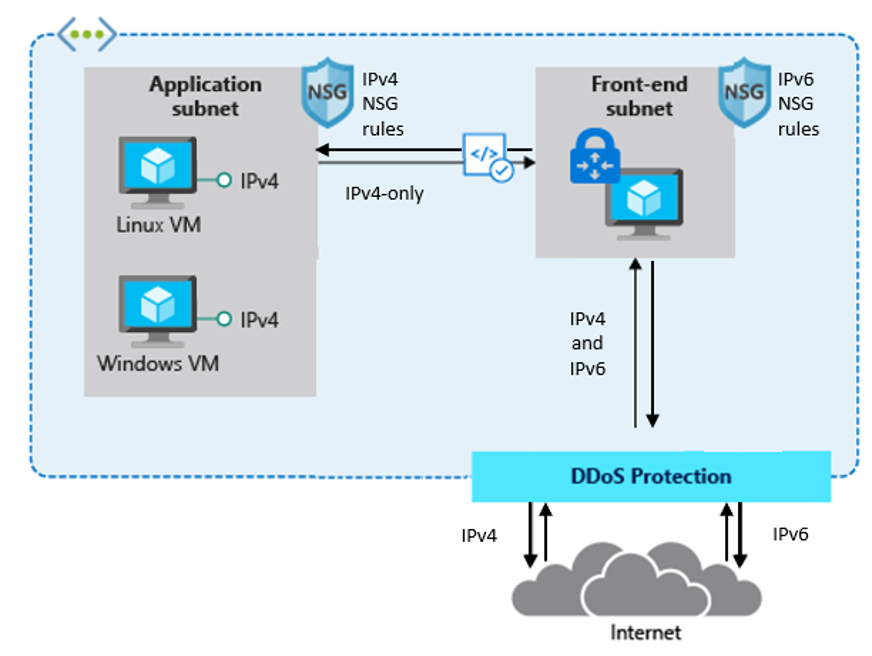
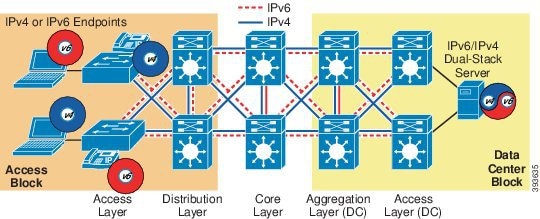
These last two points suggest that some substantial number of extra person-hours would need to be directed toward preserving a dual-stack environment, raising operational expenditures. Additional costs are sustained discovering, identifying, and documenting where spaces exist. Something else you may have seen running dual-stack is that you must configure IPv4 all over you configure IPv6.
And while IPv6 addresses are essentially totally free, IPv4 addresses are not (even private IPv4, as we'll talk about below). Rates for publicly routable IPv4 addresses stay high (in large part since cloud company have actually been gobbling them up as quickly as they can). Business networks usually do not need an abundance of public IPv4, however even private IPv4 brings its own expenses.
Utilizing High-Speed IPV6 Proxies for Success
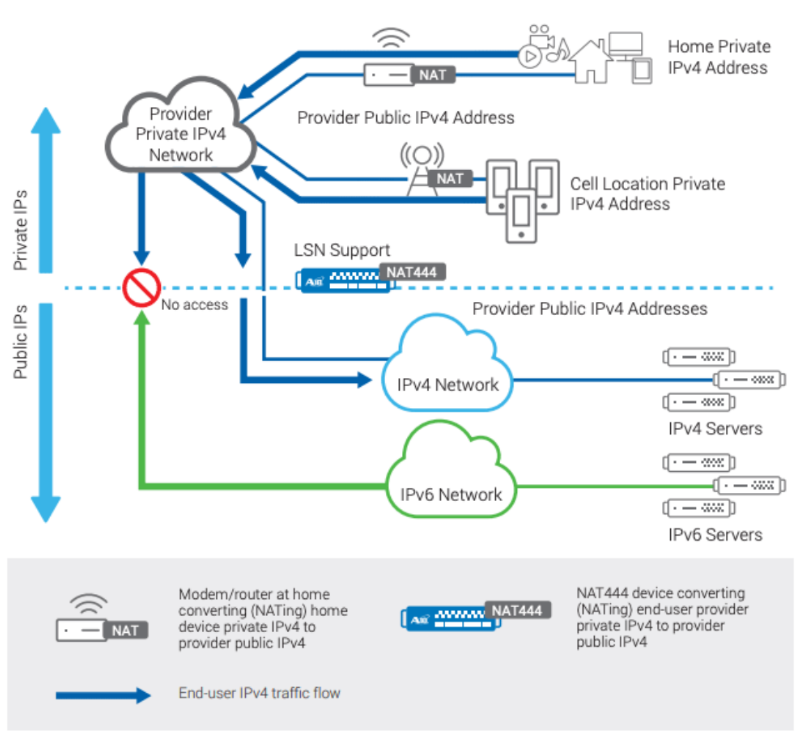
Such address overlaps suggest that the essential usage of NAT and/or renumbering are required to preserve and grow the network. The numerous liabilities and expenses of NAT in general deserve their own post.
Such brittleness makes the usage of NAT for this function a devil's deal, one where getting the network running today comes at a future expense of network design flexibility. Even this accrual of crippling technical debt is frequently more suitable to the pricey and dangerous nightmare of renumbering completely. A looming enterprise-wide renumbering job is incentive enough for some network engineers who have actually experienced such an obstacle in the past to change tasks rather.
IPv4 renumbering merely to keep the status quo is such a substantial expenditure of time and resources with many technical risks that transitioning once to IPv6 makes more sense. It's fair to state that these issues with personal IPv4 exist separately of IPv6. However deploying IPv6 using dual-stack does not eliminate them or reduce the additional functional costs they develop.
proxy service for rankingsAnd avoidance of dual-stack costs needs increased implementation of IPv6-only. It might be illuminating to take a look at the situation where business case for IPv6-only can be found in the kind of a mandate. That is the circumstance that all business networks run by U.S. federal firms are in. This circumstance remains in fact absolutely nothing brand-new to them: Federal IPv6 mandates date back to at least 2005.
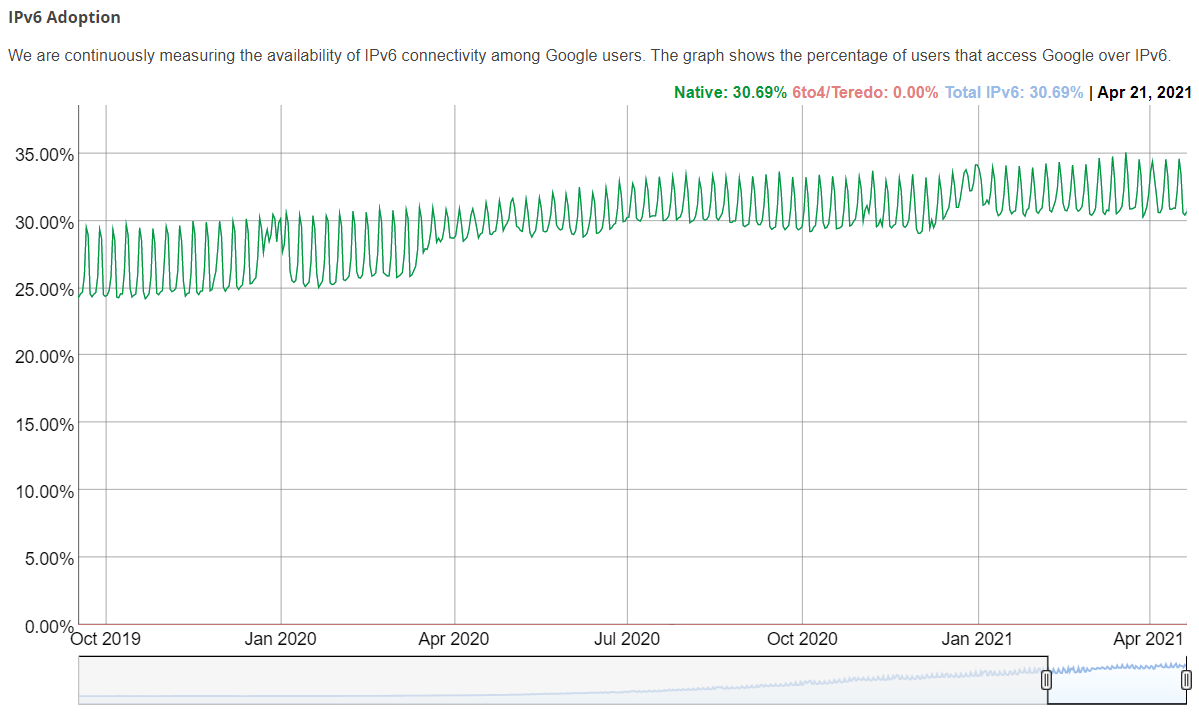
The vendor's upgrade path of the router or switch or firewall that supplies robust IPv6 support today started with not a little prodding from a mandate nearly 2 years old. Obviously, at the time of their publication, such requireds are typically thought about difficult (and characterized as unfunded) by IT management and staff.
How to Leverage IPV6 Proxies for Security
Among its other requirements, it establishes an aggressive timeline for agency networks to shift to IPv6-only: 20% of IPv6-enabled possessions by the end of 2023; 50% by 2024; and 80% by 2025. The required states: "OMB previously released policy discussing the expectation for firms to run double stack (IPv4 and IPv6) into the foreseeable future; nevertheless, recently it has ended up being clear that this technique is overly intricate to preserve and unnecessary.
By determining those expenses in addition to the IPv6-only architectures and setups that decrease or remove them, business case for an IPv6-only network emerges. It is independent of any required and should show extensively suitable to many corporate business networks. As it occurs, federal firms have, in many cases, already made substantial progress in meeting the IPv6-only required.
Some of these deficiencies are arguably more ideological, such as the way NAT breaks the originally intended end-to-end model of the Internet. Other objections to NAT relate to its more surprise expenses and technical financial obligations mentioned above e.g., the brittleness of network designs and setups that rely on NAT (and session state) to allow usage of duplicate and overlapping address space.
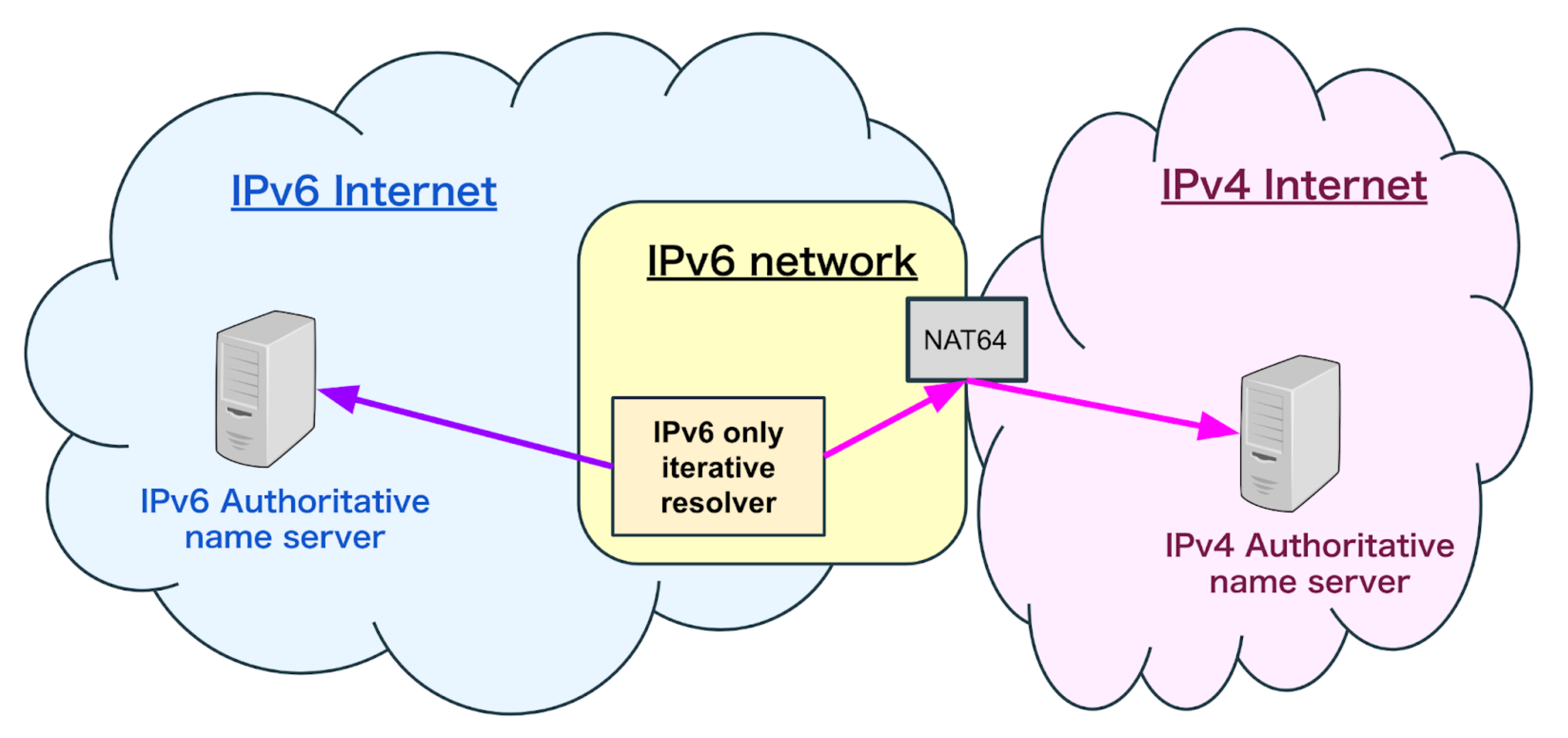
proxy service for rankingsIt is this situation that obliges the application of a specific range of NAT in the kind of NAT64. Combined with its fraternal technology, DNS64, NAT64 supplies connectivity for hosts in an IPv6-only network of essentially any size (as has actually been shown by mobile suppliers' successful large-scale usage of it with IPv6-only mobile handsets) to any IPv4-only resource.
Evaluating Corporate Proxy Solutions and Business Growth
But these normally offer a separated IPv6 front-end for some restricted set of IPv4 resources and do not scale also or as easily as NAT64/DNS64. Another IPv6-only architecture and setup that is nearing maturity makes the most of current host OS executions of CLAT the customer-side translator component of the 464XLAT architecture chosen by big mobile company to make it possible for IPv6-only handsets.
In basic, locations of the network that are more isolated or self-contained may minimize the risk to existing network services and operations especially where those locations are to be recently provisioned (i.e., "greenfield") or more frequently reprovisioned. Such environments may include: End-user wireless (specifically guest networks) Information centers Out-of-band (OOB) or management overlay networks Public or Hybrid Cloud and SaaS where IPv6-only support exists Each of these environments, when provisioned and deployed as IPv6-only, introduce particular style and functional challenges that possibly all are worthy of different short articles committed to them.
And their implementation will ultimately retire the costs of providing and running IPv4. And, if such deployment can be accomplished during the window when public IPv4 addresses still have market price, it might be possible for business with these resources to sell them for revenue (perhaps balancing out some or all of the expenses related to transitioning to IPv6-only).
The shown maturity of the procedure itself and the broadening functional footprint within business show a virtuous cycle that should influence confidence to deploy IPv6 amongst those business still not yet intentionally deploying and handling IPv6. Enterprises that are currently running IPv6 are most likely conscious of a few of the IPv4 and dual-stack costs recognized in this post (particularly those enterprises that have made significant strides toward IPv6-only, such as Facebook/Meta and LinkedIn).