Key IPV6 Address Governance Strategies in Global Enterprise
Ever since, IPv6 has actually been continually running on these networks, representing over a years of opportunity to identify and fix potential problems that may have revealed themselves over such extensive and heavy use. The misconception that IPv6 is slower than IPv4 comes mainly from the reality that IPv6 uses addresses that are 128 bits in length compared to IPv4's 32 bits.
Take a look at a contrast of the two headers to imagine this distinction: This diagram suggests 2 primary reasons someone might assume that IPv6 would be slower than IPv4.The initially involves network overhead. A normal IPv6 header is 40 bytes in size, while a standard IPv4 header is 20 bytes.
Just 20 bytes might sound trivial, but consider that this is included to all packets. That's a lot of overhead. Contribute to this the truth that IPv6 might include one or more extension headers, leading to an even bigger header and more overhead. The second includes the CPU resources of IPv6 hosts and network devices.
As soon as again, taking into account extension headers, CPU resources are taxed even more. Now having said all of that, strictly speaking, does IPv6 introduce more overhead than IPv4 in the header? Well, yes: you can't get away from the fact that you require more bits to represent the bigger address area.
Many other aspects likewise come into play, and one of those is the actual practical experience from using these procedures in live production networks and benchmarking their efficiency. Let's have a look at some measurements of IPv6's speed: The reality is that there are many variables that will affect speed, so it is difficult to compare performance unless you are carrying out very firmly controlled experiments.
Continuous Monitoring of Cloud Infrastructure and IP AssetsEffective IP Address Governance Solutions in Global Enterprise
Others suggest that more simplified routing systems make IPv6 routing lookups quicker, Still others recommend that there are less IPv6 routers out there, so there are merely fewer hops to get to any IPv6 location. These are simply speculation, and need a more rigorous set of experiments to come to any strong conclusion.
There is some anxiety concerning the security of IPv6, however this is typically just a result of the fact that IPv6 is fairly new. IPv6 uses the very same security system as IPv4: IPsec, which was established as the primary method of securing IP communications. In IPv4, IPsec is implemented as an additional system that works on top of IPv4, whereas IPv6 has integrated IPsec into its extension headers, permitting for a more classy implementation.
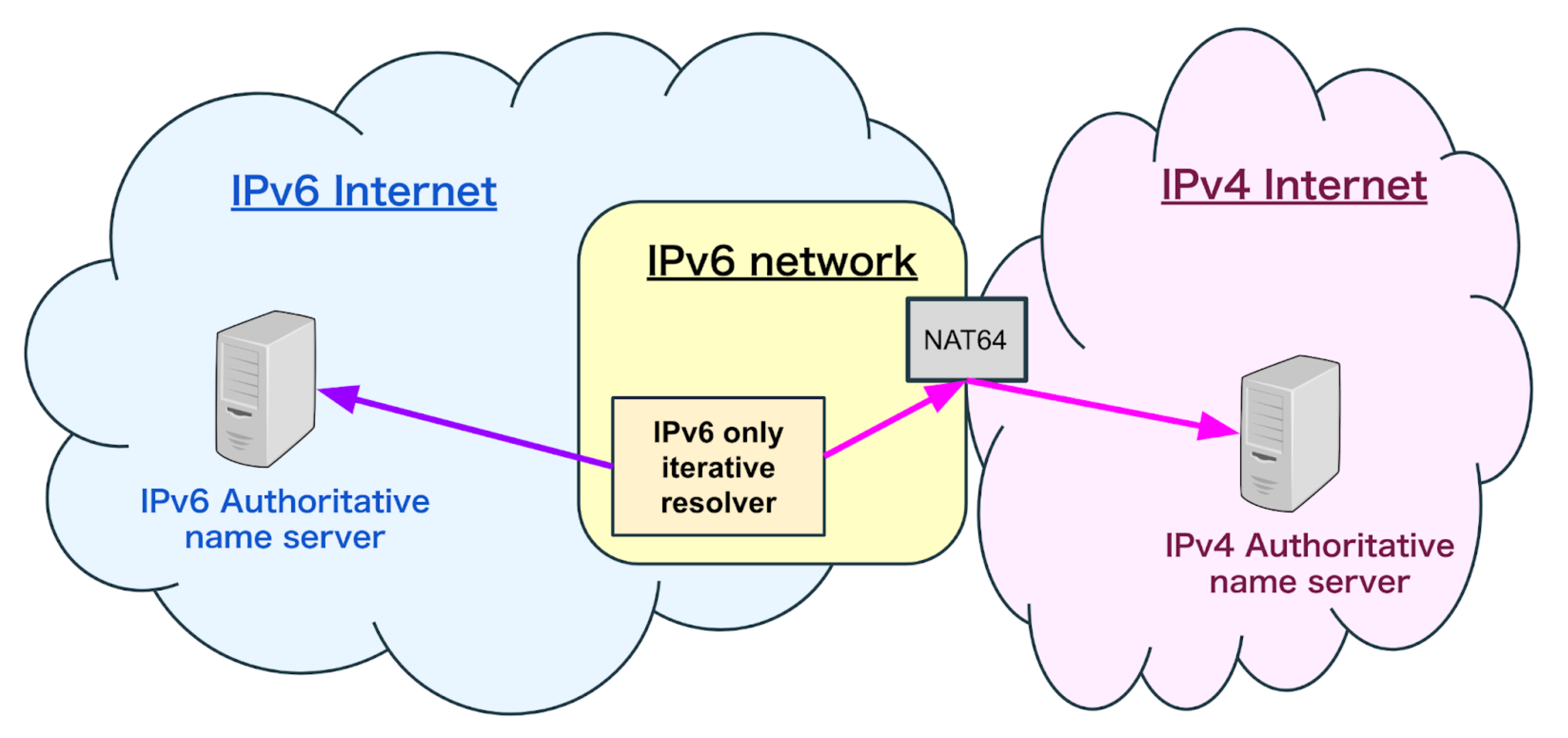
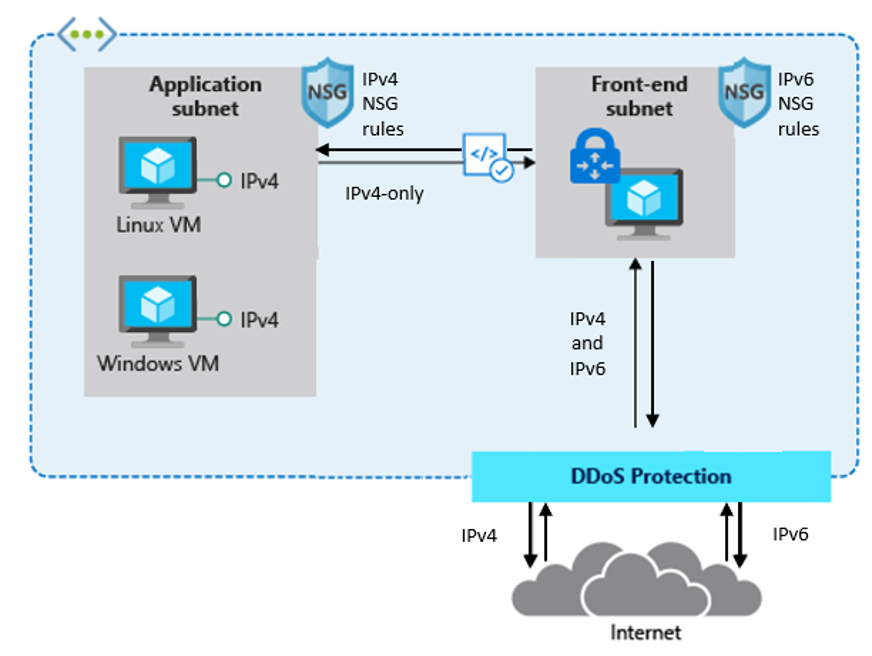
Now, having said that, there is one area of security that need to be explained worrying IPv6 adoption. The various shift mechanisms that are used to enable a dual-stack plan where both IPv4 and IPv6 exist together can be a security risk. This does not indicate that IPv6 is naturally insecure, however, just that the shift mechanisms can potentially increase the attack surface area of a network.
Designing Enterprise Proxy Architecture Best Practices
An exceptional resource to handle these specific threats is a recently published NSA document called IPv6 Security Guidance. Network professionals who learned IPv4 so well that they can do subnetting in their sleep may discover it disconcerting to at first look at IPv6 addresses, which appear foreign and indecipherable. Aside from the addresses, there are likewise other aspects of the brand-new procedure that vary in crucial ways from its predecessor; one example, how IPsec is carried out, was pointed out above.

Of course, every brand-new technology does require some retraining, and in the telecommunications industry, re-training is part of the job. Training a network administrator or engineer in IPv6 is not as tough as it originally may seem. While there are clearly some differences, IPv6 uses much of the very same concepts as IPv4 and has been crafted, based on the experience got from years of IPv4 use, to be more elegant and structured in its configuration and implementation.
This is primarily because no more complex subnetting needs to be carried out, and the requirement for the often troublesome and bothersome NAT is gotten rid of. It just needs a bit of time and effort to be devoted to learning and carrying out the newer protocol. IPv6 is in fact not that expensive to release since essentially all network devices and end gadgets currently support IPv6, and this has actually held true for at least a decade.