Future Global IPV6 Adoption Strategies in 2026
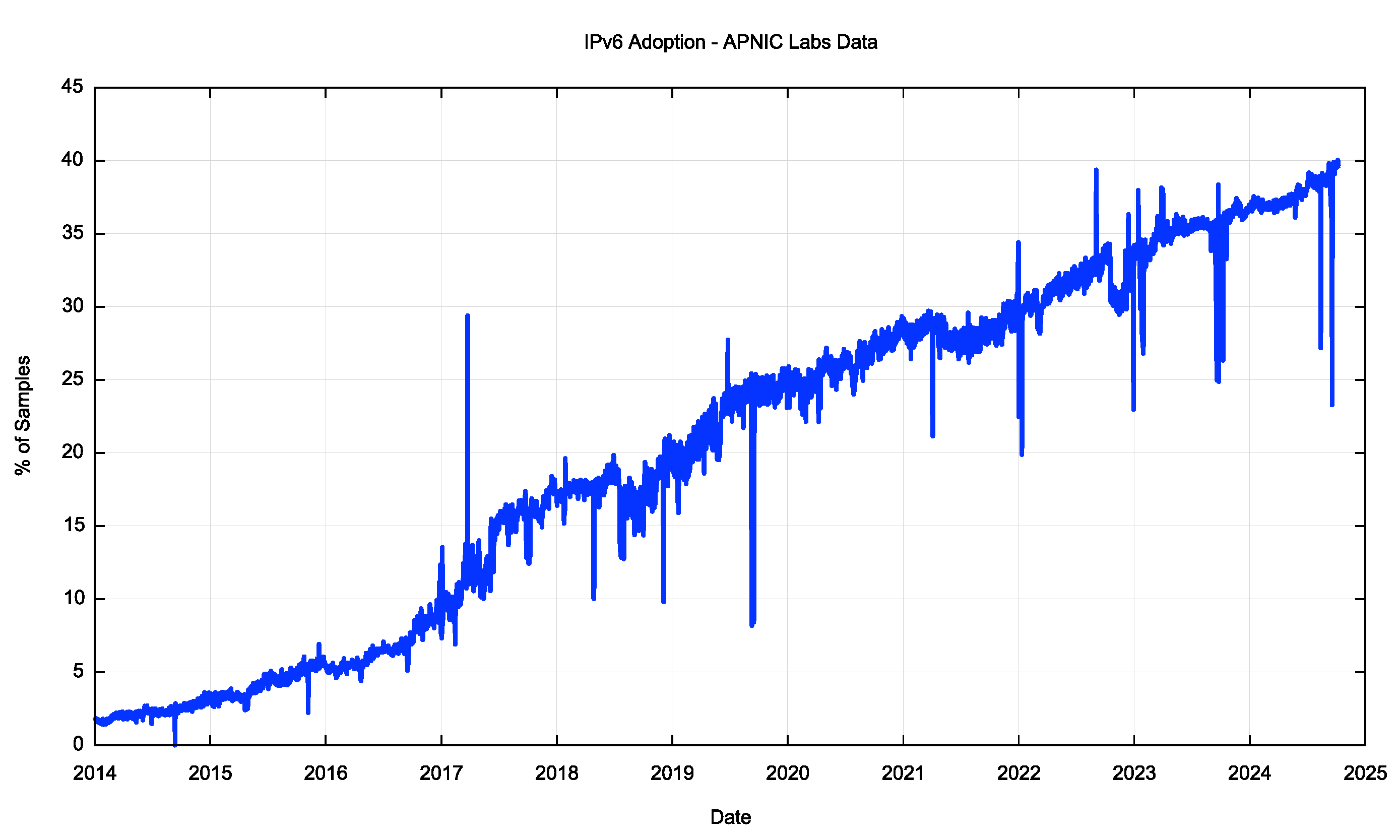
Another factor to consider is the extra expenditure of creating and implementing a dual-stack arrangement for the coexistence of IPv4 and IPv6. This may be required for your own internal enterprise network as well as for the IPv4 and IPv6 address ranges you might market to the Web for your public-facing services.
It is essential to keep in mind that IPv6 is not a new product on the marketplace or a brand-new service that was provided to users worldwide. It is a standard. For this reason, we can not compare the adoption rate of IPv6 to that of, state, the most recent mobile phone or the current social media service.
For instance, take a look at this timeline of turning points for the 4th generation (4G) mobile networks requirement: A tactical vision for 4G is released by the ITU. The ITU releases the official requirement for the innovation. The very first commercial 4G network is deployed in Oslo, Norway and Stockholm, Sweden.
This example simply shows that requirements, unlike other entities within the telecoms realm, are expected to take years or decades before they peak. The IPv6 adoption rate just feels like it's slow because of the rate of modification we are used to in other locations, but in truth, it is not surprisingly so.
There is a famous old saying that lots of people believe in, including many technical people: "If it ain't broke, don't repair it!" Lots of believe that there's nothing really wrong with IPv4 at this time, so why should they change it? Administrators do not truly like to make basic changes to their networks unless they see something that motivates them.
Secure VPN Solutions to Support Global Teams
That's not what IPv6 was about. It was about fixing something that wasn't "broke" now but was clearly going to break in the near future due to its limitations: IPv4.
Many have actually associated this slowness to obstacles that are too challenging or unprofitable to overcome. Some think that IPv6 is not yet prepared to replace IPv4, and for this factor, IPv4 is still the dominant Layer 3 protocol worldwide. However, a number of these declared "challenges" are misunderstandings concerning IPv6 associated to incorrect ideas about maturity, protocol speed, security, and expenses.
The rate of adoption of IPv6 is continuing at a rate constant with that of other requirements. IPv6 will continue to make headway and eventually change IPv4 over the coming years.
Advanced Cloud Network Monitoring Best Practices
By Tom Coffeen Chief Method Officer and Co-Founder, HexaBuild IPv6 has actually been my day task (and innovation muse for well over a decade now. And while I'm delighted to have actually played any role at all in its worldwide deployment, there's much work that stays particularly amongst enterprise networks where IPv6 release continues to lag behind provider.
enterprise, technological maturity, marketing). And within these contexts, IPv6 release provides various potential benefits (e.g., scale, company continuity, operational efficiencies, efficiency, and the messaging of competitive benefit). But offered the constantly slow rate of IPv6 deployment amongst enterprise networks, several compelling service cases for the technology are clearly still needed.
IPv6 adoption is an expression I use reflexively and have for almost the entire time I have actually been working with IPv6.
The earlier method of tunneling was needed where much of the network didn't support IPv6 at all. By the time I got into the IPv6 video game there was enough router and switch and desktop and server support to make dual-stack not just practical but the easiest method to deliberately deploy and manage IPv6 (while also assuming the least danger to the existing IPv4 production network).
Key IPV6 Address Governance Solutions in Global Cloud
For risk-averse business network folk, any so-called IPv6 transition would likely be a non-starter. That expression might suggest an equally special relocation from IPv4-only to IPv6-only, with all that may involve in regards to intricacy, downtime, resume-generating events, and so on. And so, get in the expression "IPv6 adoption," as in, "You're not turning IPv4 off and won't be for a long, very long time.